
Everything you need to prepare for your Bhutan motorcycle adventure
Rider Information Guide
RIDING IN BHUTAN
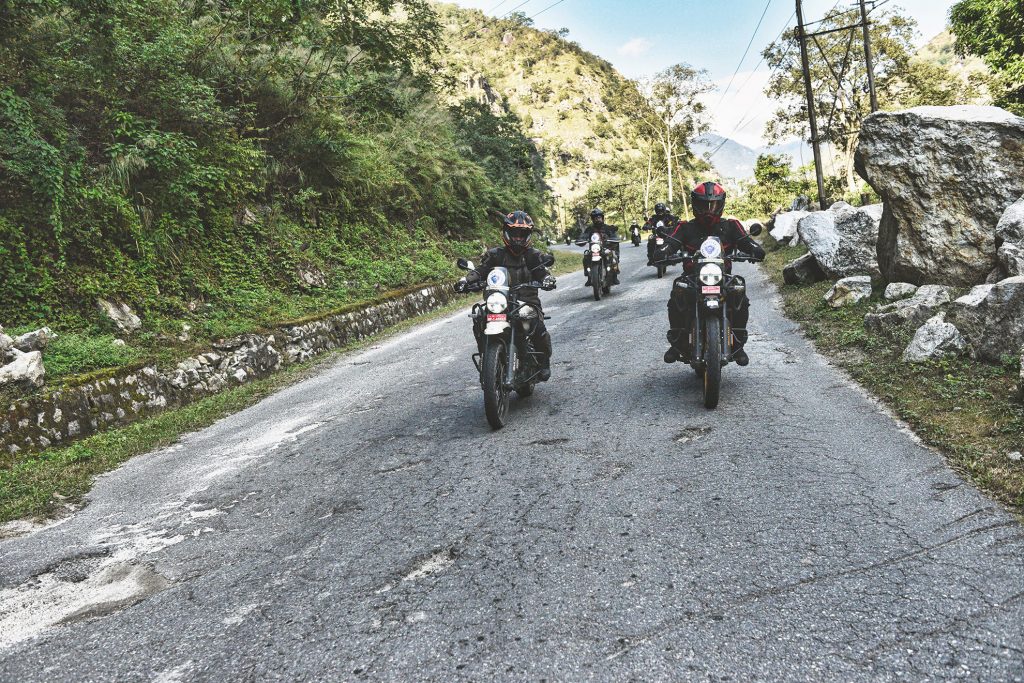
You’ll ride a Royal Enfield Himalayan 450, accompanied throughout by our experienced Bhutanese team.
Your support includes a professional motorcycle guide, mechanic and support vehicle, which carries your main luggage and provides mechanical backup throughout the journey.
All riders must hold a full motorcycle licence from their home country and bring the original licence with them. An International Driving Permit (IDP) is also recommended.
Comprehensive travel and medical insurance covering motorcycle touring, emergency evacuation and repatriation is mandatory.
WHAT RIDING GEAR SHOULD I BRING?
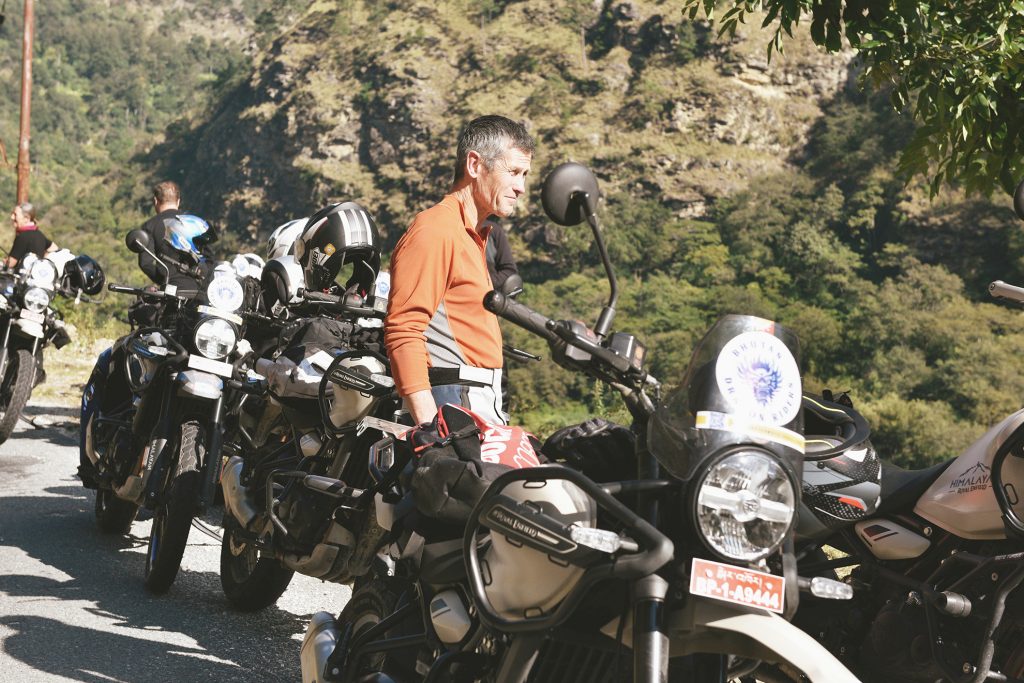
This is not a motorcycle journey in extreme weather. Most of the riding is in pleasant conditions, with the southern sections generally warm. A couple of base layers, a breathable motorcycle jacket and comfortable protective trousers or riding jeans are ideal for most days.
The colder sections are limited to the highest Himalayan passes and, in good weather, even these can offer wonderfully pleasant riding. You should nevertheless have warm clothing available – an insulated jacket, winter gloves and an extra layer beneath your motorcycle trousers – in case conditions change.
The great advantage of having a support vehicle is flexibility. Keep a day bag in the vehicle with warmer layers, gloves and waterproofs, and you can swap clothing as the temperature changes throughout the day.
There is no need to overpack. Everything you need for the trip should fit comfortably within the 30 kg checked baggage allowance on your flight to Bhutan.
LUGGAGE & PACKING
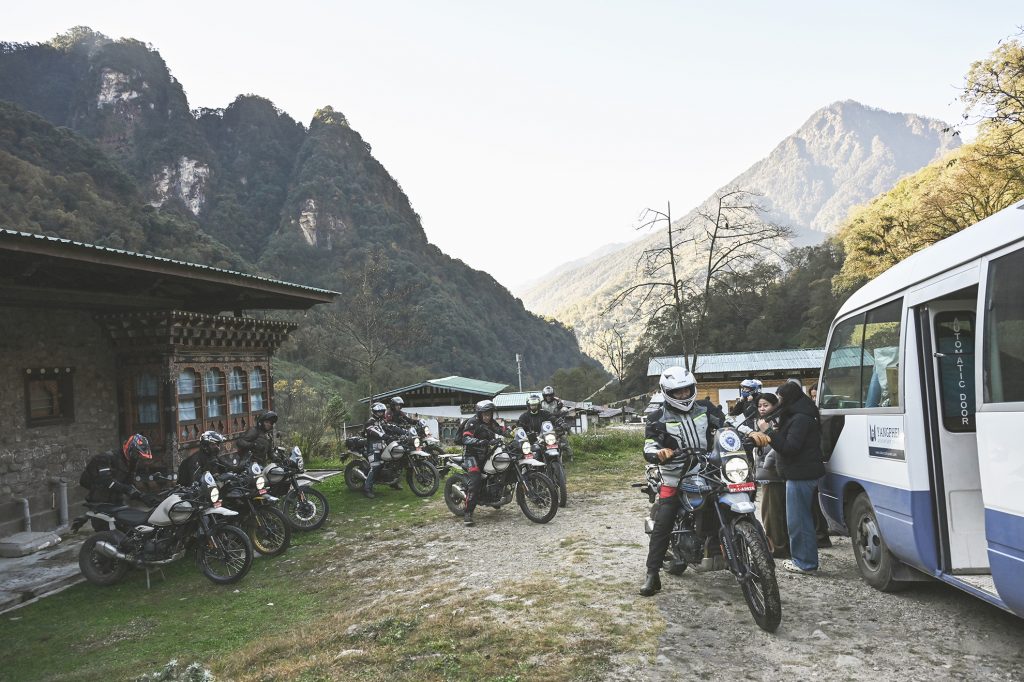
This is a fully supported trip, so you can ride light if you want to. Your main luggage travels in the support vehicle, together with a day bag containing any extra clothing or equipment you may want during the day.
Each motorcycle is fitted with a tank bag and water bottle holder, ideal for your camera, phone and other small items you want close at hand. There is also a small rear luggage rack if you prefer to carry a small rucksack or additional bag. It’s worth bringing a couple of attachment straps or bungee cords for this.
Flights into Bhutan generally allow 30 kg checked baggage and 7 kg hand luggage, which is plenty for your riding gear and clothing.
The motorcycles have USB charging, and electrical charging is available each night at the hotels. A small power bank can also be useful.
For evenings and sightseeing, bring comfortable casual clothing, walking shoes or trainers and a warm layer for cooler nights.
WEATHER, ALTITUDE & SUN
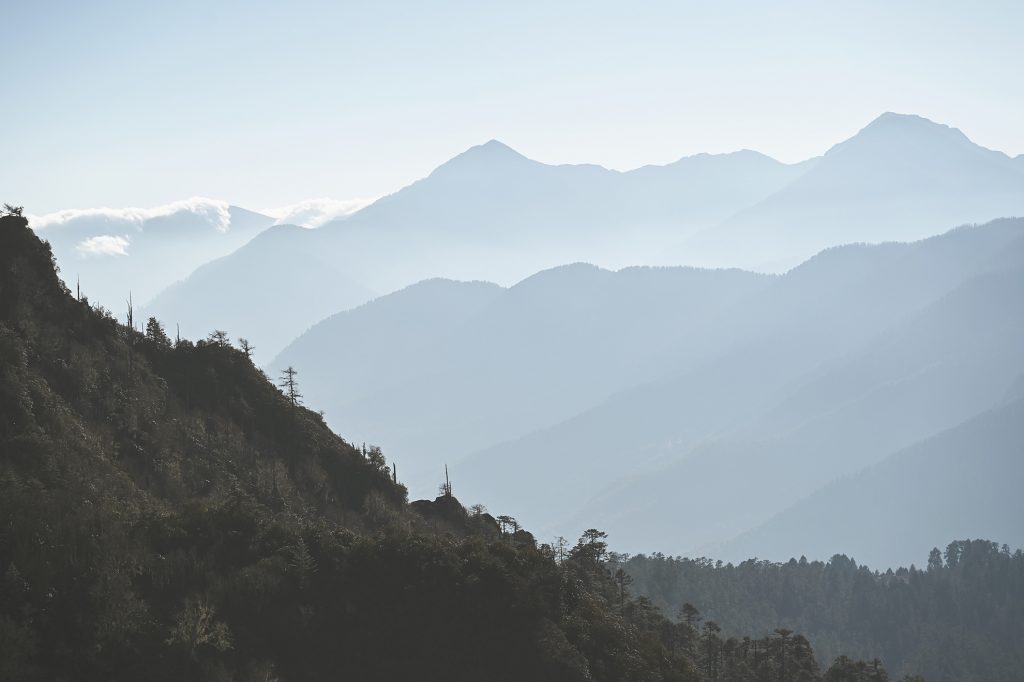
One of the pleasures of riding across Bhutan is the extraordinary change in landscape and climate. In the subtropical south, conditions are generally warm and pleasant, while temperatures on the highest Himalayan passes can be approaching freezing, particularly early in the morning.
Altitude should not normally be a concern on this journey. Most of our riding and all our overnight accommodation are at lower elevations, generally below 3,000 metres. Although we occasionally cross passes approaching 4,000 metres, we spend only a limited amount of time at these higher elevations before descending again.
There may occasionally be a light morning frost on the highest passes, but this usually disappears quickly once the sun reaches the road. In good weather, riding conditions can be wonderfully pleasant even at the highest points of the journey.
The sun can be surprisingly intense at altitude, so bring good sunglasses, sun protection and, ideally, a sun visor for your helmet. A visor cleaning cloth and small bottle of visor cleaner are also well worth carrying.
Mountain weather can change quickly, so keep a warm layer, winter gloves and waterproofs available in the support vehicle.
FOOD & DRINK
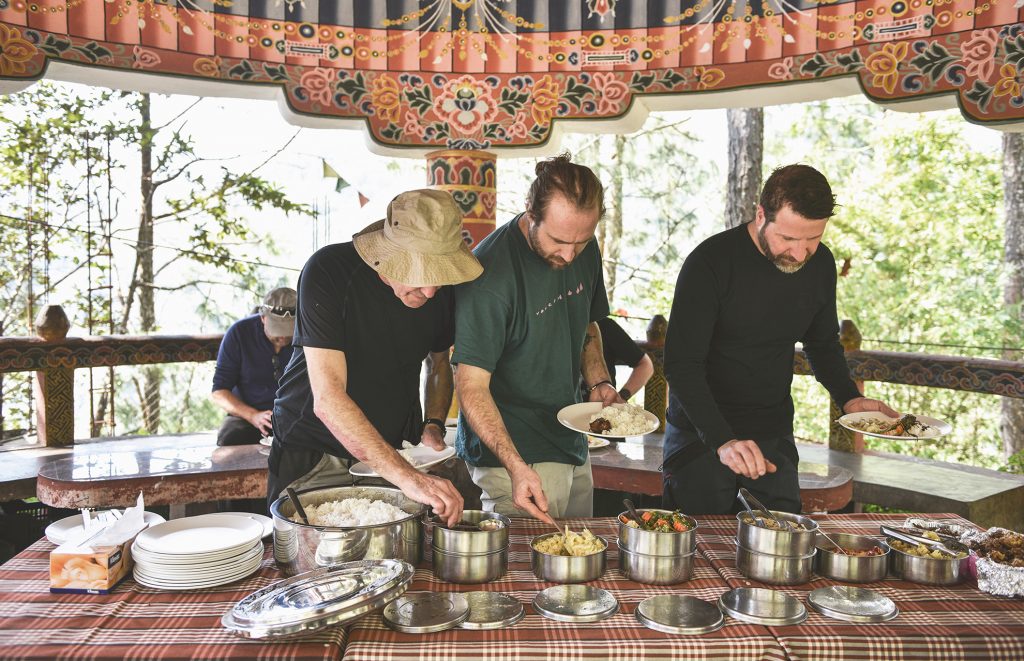
Food is one of the highlights of travelling through Bhutan.As we ride across the country, you’ll have the opportunity to taste local dishes that change from valley to valley, making the food part of the journey itself.
Much of what you’ll eat is locally grown, with fresh vegetables and produce coming from the surrounding valleys and farms. Bhutan has a strong tradition of organic farming, and meals are generally fresh, simple and full of flavour.
All meals are included, from breakfast and dinner at our hotels to lunches in local restaurants along the route – and occasionally a packed lunch when we’re somewhere particularly remote.
Filtered drinking water is provided throughout the journey. Alcoholic and other personal drinks are available at hotels and restaurants and are paid for separately.
If you have any dietary requirements, just let us know before you travel.
THE BHUTANESE WAY
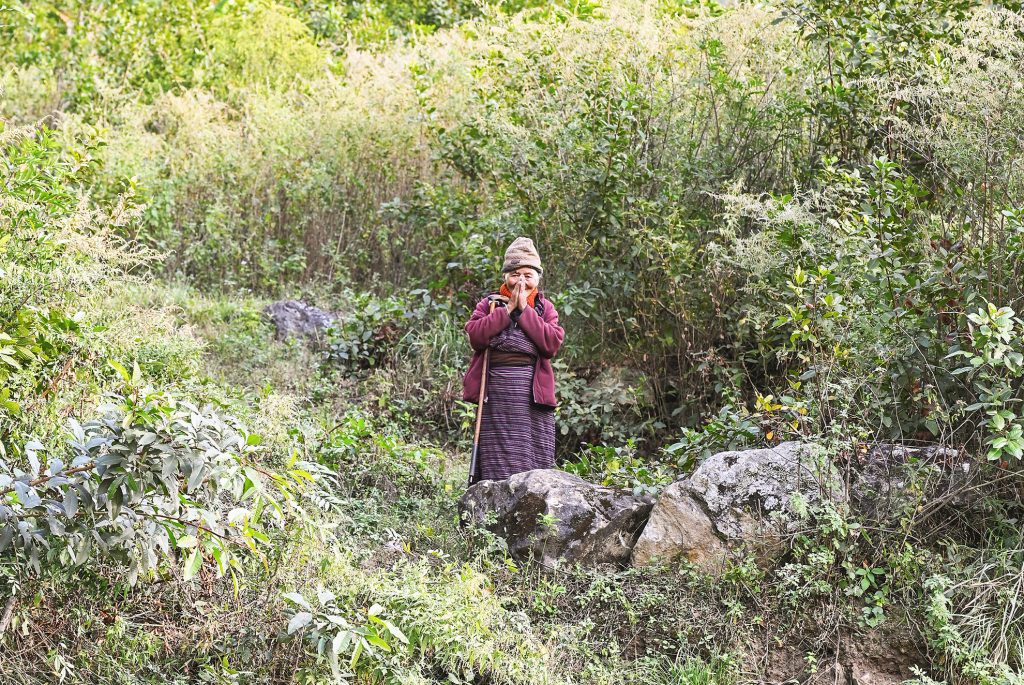
Bhutan is a very special country, and one of the great pleasures of travelling here is the warmth and generosity of its people. Wherever we ride, you’ll be welcomed with genuine hospitality and curiosity – and we hope the kindness you experience along the way will become as memorable as the riding itself.
Bhutanese culture places great importance on respect, humility and consideration for others. Life moves at a gentler pace, traditions remain important and Buddhism is part of everyday life. A smile, a little patience and a willingness to engage with the people you meet will take you a long way.
Show respect when visiting monasteries and villages, listen to your Bhutanese guides and don’t be afraid to stop, talk and ask questions. Some of the best moments of the journey will be the unexpected ones – sharing tea, meeting a family or simply spending time with people along the road.
Come to Bhutan with an open mind and an open heart, and you’ll receive a great deal in return.
CULTURE & LOCAL CUSTOMS
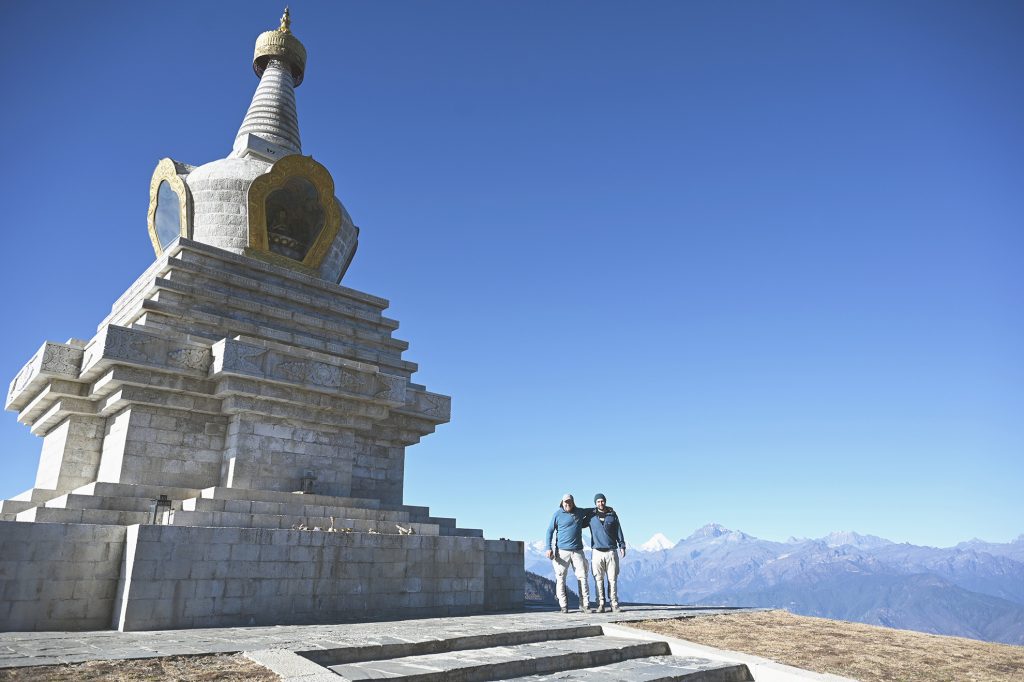
When visiting dzongs, monasteries and temples, shoulders and knees should be covered. Long trousers and a long-sleeved shirt are ideal. Hats and sunglasses should be removed before entering religious buildings, and shoes may also need to be removed in inner temple areas.
Photography is welcomed in most places, but always ask before photographing people or monks and follow your guide’s advice inside religious buildings.
Drones should not be brought to Bhutan without the necessary government permission.
Walk clockwise around temples, chortens and mani walls; don’t touch or remove prayer flags; and greet people with a friendly Kuzuzangpo la.
MONEY & TIPPING
Bhutan’s currency is the Ngultrum (Nu). Cash is useful for personal expenses, particularly in hotels and more remote areas. Alcoholic drinks are not included and are paid for separately.
We recommend allowing around US$500 for the whole trip – approximately US$300 for drinks, souvenirs and personal expenses, plus US$200 towards the group tip.
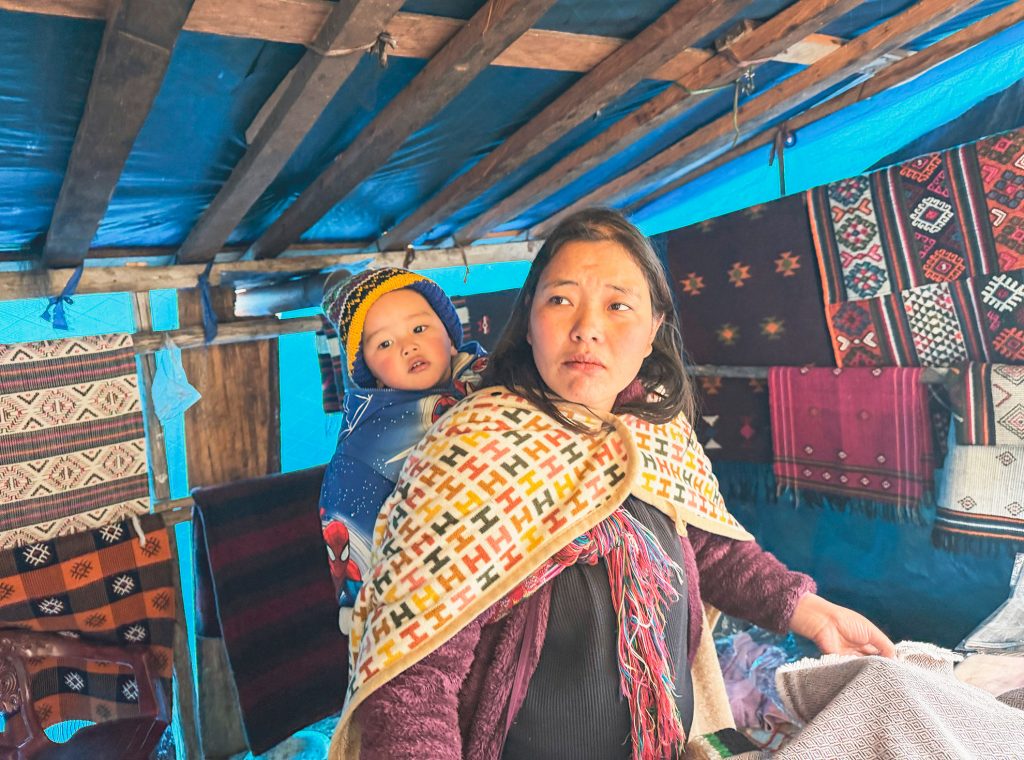
For most people, a journey to Bhutan is a once-in-a-lifetime experience, and you’ll probably want to take something home to remember it by. There are plenty of opportunities along the route to buy locally made handicrafts, textiles and souvenirs. Thimphu has an excellent choice of shops, and at the end of the journey we spend two nights in Paro, giving you plenty of time for any last-minute shopping. Most shops in Thimphu and Paro accept major credit cards.
Tipping at individual hotels and accommodation is not required. At the end of the trip, we normally organise a collection for our guide, mechanic, driver and, depending on the group size, an additional member of the support team. They work extremely hard throughout the journey, and a contribution of around US$200 per rider is more than adequate and always greatly appreciated.
Money can be changed on arrival in Bhutan, and ATMs are available in the larger towns, although foreign cards can sometimes be unreliable.
Come prepared, pack light and bring a sense of adventure – we’ll take care of the rest.
Tashi Delek!